
24/7 Support
- Assistance with Daily Living
- Social and Community Access
- Transportation
- Respite / STA
- Home and Household Help

Many people living with mental health challenges need ongoing guidance, structure, and emotional support to achieve greater independence. Through psychosocial recovery coach training, recovery coaches develop the skills needed to support NDIS participants in building confidence, managing daily challenges, and reaching personal goals.
At Assist Support Services in Melbourne, recovery coaches work closely with participants to create personalised support systems that focus on long-term wellbeing, community participation, and improved quality of life. Their role goes beyond daily assistance by helping participants strengthen decision-making skills, resilience, and independence.
A psychosocial recovery coach is a professional who helps people with psychosocial disabilities, particularly those who experience challenges related to mental health. Their primary role is to support participants of the NDIS by empowering them to make decisions, achieve their goals, and engage with services that improve their quality of life.
As a psychosocial recovery coach, your role involves building strong relationships with your clients, understanding their individual needs, and helping them navigate the complexities of the NDIS support system in Melbourne. Recovery coaches also collaborate with mental health professionals, carers, and other stakeholders to ensure a holistic approach to each individual’s support plan.
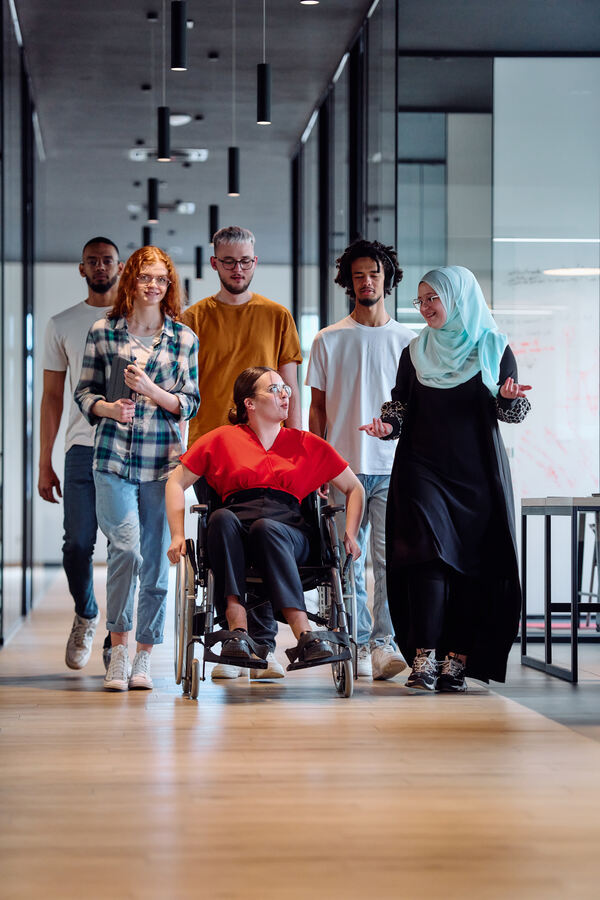
Recovery coaches provide practical and emotional support tailored to each individual’s situation. Their role is designed to help participants navigate challenges while encouraging independence and self-management.
Participants who require assistance with daily living NDIS services often benefit from recovery coaching because it creates a more structured and supportive environment. This approach helps participants feel more confident managing responsibilities and social activities.
The training to become a psychosocial recovery coach involves both theoretical knowledge and practical experience. You’ll explore a range of topics, including:
With the right training, psychosocial recovery coaches not only assist in day-to-day life but also empower participants to take charge of their recovery journey. This can result in improved mental health, greater social participation, and more fulfilling lives for NDIS participants.
Psychosocial recovery coaches play a crucial role in supporting people with mental health challenges, helping them live more fulfilling and independent lives. By completing psychosocial recovery coach training, you gain the skills to navigate the NDIS support system in Melbourne, while also empowering participants to achieve their goals. Whether you’re looking to start a new career or seeking support for a loved one, the role of a recovery coach offers an exciting and impactful opportunity to make a difference in people’s lives.
If you’re ready to learn more about the services we offer at Assist Support Services, including NDIS support in Melbourne, reach out to us today!
A psychosocial recovery coach helps NDIS participants manage mental health challenges, improve daily routines, and build independence. They provide emotional support, recovery planning, and assistance with community participation.
NDIS participants living with psychosocial disabilities may be eligible for recovery coaching if it is included in their plan. The support is designed for individuals who need help managing mental health-related challenges.
A recovery coach focuses more on emotional recovery, mental wellbeing, and personal growth. Support coordinators primarily help participants connect with services and manage their NDIS funding
Yes. Recovery coaches help participants build routines, confidence, and life skills that support independent living. They may also work alongside SIL and daily living support providers.
Yes. Assist Support Services provides psychosocial support and recovery coaching services across Melbourne to help participants achieve greater independence and community involvement.
Copyright © 2026 Assist Support Services | All Rights Reserved | Website proudly designed by Sassy Marketing and Communications