
24/7 Support
- Assistance with Daily Living
- Social and Community Access
- Transportation
- Respite / STA
- Home and Household Help

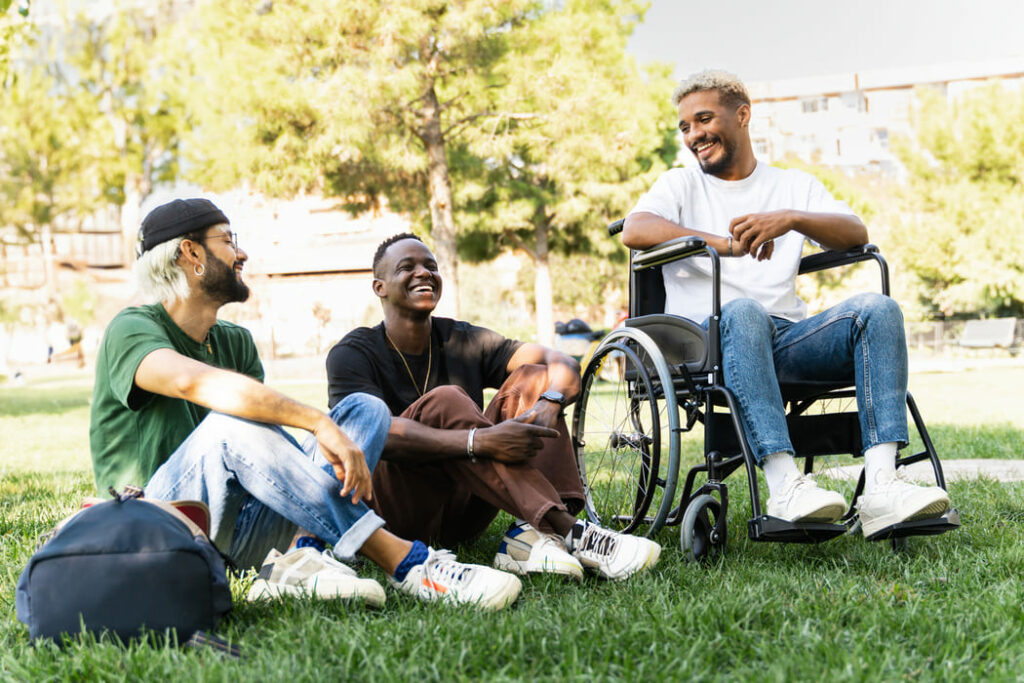
Community participation under the NDIS can help people with disability build stronger social connections, develop confidence, and take part in activities that bring purpose and enjoyment to everyday life. For many NDIS participants in Melbourne, being involved in the community is an important part of living independently and creating a greater sense of belonging.
Community participation can look different for everyone. It may include joining a local social group, attending community events, participating in recreational activities, learning new skills, volunteering, or spending time with friends and other members of the community.
Community participation refers to activities that help NDIS participants engage with other people and become more involved in their local community. Depending on a person’s goals and individual circumstances, this may involve social, recreational, educational, cultural, or community-based activities.
For people living with disability, access to meaningful community activities can support greater independence and create opportunities to develop relationships. Community access support can help participants overcome barriers and take part in activities that align with their interests, abilities, and NDIS goals.
Social inclusion is about ensuring that people with disability have opportunities to participate, connect, and feel valued within their communities. Regular participation in community activities can help reduce isolation while creating opportunities to meet new people and develop meaningful relationships.
For some participants, social inclusion may begin with a simple activity such as visiting a local café, attending a community centre, or joining a group that matches their interests. Over time, these experiences can help build confidence and make it easier to become involved in other activities.
One of the most important benefits of community participation is the opportunity to connect with other people. Taking part in shared activities can help participants meet new people, develop friendships, and strengthen their existing relationships.
Positive social connections can contribute to a stronger sense of belonging. They can also provide participants with opportunities to share experiences and feel more connected to the people and places around them.
Trying new activities and participating in community life can help people develop confidence in their abilities. Even small achievements, such as attending a new activity or travelling to a familiar location, can encourage greater independence.
With the right support, participants can gradually become more comfortable making choices, managing routines, and taking part in activities that are important to them.
Regular social interaction and meaningful activities can have a positive impact on emotional wellbeing. Having opportunities to connect with others and participate in enjoyable activities may help reduce feelings of loneliness and social isolation.
Community involvement can also provide structure and purpose. Having regular activities to look forward to can make everyday routines more engaging and meaningful.
Community participation can create opportunities to learn and practise practical skills in real-world settings. Depending on a participant’s goals, this may include communication, social interaction, decision-making, travel, money management, or navigating community environments.
Developing these skills through everyday experiences can support greater confidence and independence over time.
Everyone deserves the opportunity to feel included in their local community. Participating in community activities allows people with disability to engage with others, contribute their interests and abilities, and become part of shared experiences.
A stronger sense of belonging can help participants feel more connected to their local area and encourage ongoing involvement in community life.
Community participation can help participants discover activities that match their interests and personal goals. This could include art, music, sport, gardening, cooking, cultural activities, educational programs, or local social groups.
Exploring different activities allows participants to make choices about how they want to spend their time. This supports a more personalised approach to disability support that focuses on individual preferences and aspirations.
There is no single way to participate in the community. Activities should reflect the participant’s interests, abilities, preferences, and goals.
Community participation can be connected to a participant’s broader NDIS goals. For example, someone who wants to become more independent may focus on developing travel and communication skills, while another participant may prioritise building friendships or becoming involved in social activities.
The right support should be based on the participant’s individual needs and desired outcomes. A personalised approach can help identify suitable activities and provide practical support while encouraging participants to develop greater confidence and independence.
Melbourne offers many opportunities for people with disability to participate in local community life. Depending on individual interests and accessibility needs, participants may explore parks, libraries, community centres, recreational facilities, cultural events, social groups, and local activities.
Community participation support can help participants identify activities that are meaningful to them and access these opportunities with greater confidence. The goal is not simply to attend an activity but to support genuine engagement, connection, and inclusion.
Every person has different interests, abilities, preferences, and comfort levels. Some participants may feel confident joining group activities, while others may need more gradual support to become comfortable in new environments.
Personalised support focuses on what matters to each individual. By understanding a participant’s goals and preferences, support can be tailored to encourage meaningful participation while respecting personal choice and independence.
Community participation under the NDIS involves supporting people with disability to take part in social, recreational, educational, cultural, and community activities that align with their individual goals and interests.
The type of participation will vary between individuals and may include social groups, local events, recreational activities, volunteering, or skill-building opportunities.
Community participation can help people with disability build social connections, improve confidence, develop practical skills, and experience a greater sense of belonging.
It may also support emotional wellbeing by creating opportunities for meaningful social interaction and reducing isolation.
Activities can include attending community events, joining social groups, participating in sport, visiting local facilities, volunteering, taking part in creative programs, or meeting friends.
The most suitable activities depend on each participant’s interests, abilities, accessibility requirements, and personal goals.
Yes. Community participation can provide opportunities to practise skills such as communication, decision-making, travel, social interaction, and navigating community environments.
With appropriate support, participants can gradually build confidence and develop greater independence in everyday life.
Community access support can help participants overcome barriers that may make it difficult to engage in activities outside the home. Support may include assistance with attending activities, accessing local facilities, and participating in social or community events.
The approach should be personalised to the participant’s needs and focused on supporting meaningful participation, choice, and independence.
Copyright © 2026 Assist Support Services | All Rights Reserved | Website proudly designed by Sassy Marketing and Communications