
24/7 Support
- Assistance with Daily Living
- Social and Community Access
- Transportation
- Respite / STA
- Home and Household Help


Here’s a quick look at the main points of our discussion:
Welcome! In the world of the National Disability Insurance Scheme (NDIS), clear communication is everything. However, many NDIS participants face significant communication barriers that can leave them feeling shut out and misunderstood. These obstacles can make it difficult to access support, engage with the community, and express personal needs. Are you wondering how these barriers affect individuals and what can be done to break them down? This guide explores the challenges and highlights effective strategies for fostering greater inclusion and empowerment.
Communication barriers within the Disability Insurance Scheme are more than just an inconvenience; they can severely limit a person’s ability to get the NDIS support they need. These challenges arise from various sources, including developmental disorders, neurological conditions, or even personal preferences for non-verbal expression. True accessibility means creating an environment where everyone can be understood.
Recognizing these barriers is the first step toward creating solutions. When a participant’s specific needs for communication are not met, they may struggle to convey their thoughts, emotions, and goals. This guide will look closer at the common hurdles people face and how they impact access to services.
Many NDIS participants encounter a range of challenges in their daily life that can make communication difficult. These issues are not one-size-fits-all and require a personalized understanding to overcome. When support networks lack the right communication skills, it can create significant frustration for the participant.
Some of the most common difficulties include attitudinal barriers, where others may not be patient or empathetic enough to understand non-verbal cues. A person’s specific needs might be overlooked if they cannot verbally express them with ease. Everyday interactions can become a source of stress rather than connection.
Here are a few specific challenges:
When communication breaks down, the ability to access vital support services is immediately compromised. The journey to inclusion starts with the NDIS application process, which can be incredibly difficult for someone with a communication disability to navigate without the right assistance. How can you effectively state your needs if you can’t communicate them clearly?
This initial hurdle can prevent individuals from receiving funding for NDIS core supports that are essential for daily living. Without clear communication, a participant may not get the plan that truly reflects their goals and requirements. This creates a cycle where a lack of support further isolates the individual, making future communication even more challenging.
Ultimately, these barriers shut people out from the very services designed to help them. A system built on choice and control can only work if every participant has the tools and support to make their voice heard, ensuring they have full access to a more fulfilling life.

Communication disabilities can significantly restrict NDIS participation, going far beyond the initial application. Even after meeting the eligibility criteria, participants may find their ability to engage in community programs and activities is limited. This lack of inclusion can have a profound impact on their overall quality of life.
When individuals cannot effectively express their preferences or discomfort, they may be excluded from social events, skill-building workshops, and other opportunities. Let’s explore some real-world examples of these limitations and discuss how support networks can help navigate these constraints.
Community activities are a cornerstone of NDIS support, but they can present major hurdles for those with communication difficulties. Imagine trying to join a group activity without a reliable way to share your thoughts or ask for help. This is a reality for many, including those with visual impairments or hearing impairments who may require specialized support.
For instance, a participant who is non-verbal might struggle in a group discussion without tools like communication boards. If the program leaders are not prepared to accommodate different communication methods, the participant is effectively silenced and excluded. This not only prevents them from enjoying the activity but also reinforces feelings of isolation.
The table below shows how these barriers can appear in community settings and what can be done to help.
Community Activity | Communication Barrier | Potential Solution |
Group Art Class | Participant cannot verbally ask for different paint colors. | Provide a picture exchange system or communication board with art-related options. |
Local Sports Team | Participant with hearing impairments cannot hear the coach. | Ensure the coach uses visual cues and gestures, or arrange for an interpreter. |
Community Garden | Participant struggles to express they need a break. | Establish a pre-agreed non-verbal signal for needing rest or feeling overwhelmed. |
Successfully navigating various aspects of life with a communication disability often depends on the quality of your support network. Support workers, carers, and caregivers play a vital role in bridging communication gaps. However, this requires more than just good intentions; it demands specific communication skills and a patient, empathetic approach.
A support worker who takes the time to build rapport and understand an individual’s unique way of expressing themselves can make all the difference. This involves observing body language, learning to use assistive technologies, and creating a safe environment where the participant feels respected and heard. It is a collaborative effort built on trust.
When support workers are properly trained, they can empower participants to take a more active role in their own lives. By fostering this two-way communication, they help build confidence and independence, ensuring the participant’s voice is at the center of all decisions.
A psychosocial disability, which can arise from a mental health condition, adds another layer of complexity to NDIS engagement. These conditions can significantly impact a person’s motivation, social skills, and ability to communicate, creating unique barriers to social inclusion.
Navigating the NDIS can feel overwhelming for anyone, but for someone managing their mental health, the process can be especially challenging. This can affect everything from attending planning meetings to interacting with support workers. Let’s look at how these challenges manifest and what recent findings suggest about improving support.
For individuals with a psychosocial disability, communication barriers are often intertwined with social barriers. A mental health condition can make it difficult to initiate conversations, interpret social cues, or manage the emotional energy required for interaction. This can lead to withdrawal from social activities and challenges in daily living.
True inclusion means recognizing and addressing these specific hurdles. Support systems must be designed to be flexible and understanding, creating a low-pressure environment where individuals feel comfortable expressing themselves at their own pace. Without this, participants may miss out on community engagement that is vital for their well-being.
Some common challenges include:
While specific recent reports are numerous, the ongoing conversation in the disability sector consistently points to the need for better support. Best practices and research from health authorities emphasize continuous learning for support workers to overcome communication barriers. A key theme is the need to move beyond basic service delivery and focus on building genuine connections.
One of the most significant ongoing issues highlighted is the presence of attitudinal barriers. This is when support workers or providers lack the empathy or patience to effectively communicate with participants who have complex needs. This can make individuals feel like a task to be managed rather than a person to be supported.
To address this, organizations are encouraged to invest in professional development that focuses on soft skills like active listening and adapting communication styles. Staying up-to-date with the latest best practices is not just a recommendation; it is essential for providing high-quality, person-centered care.
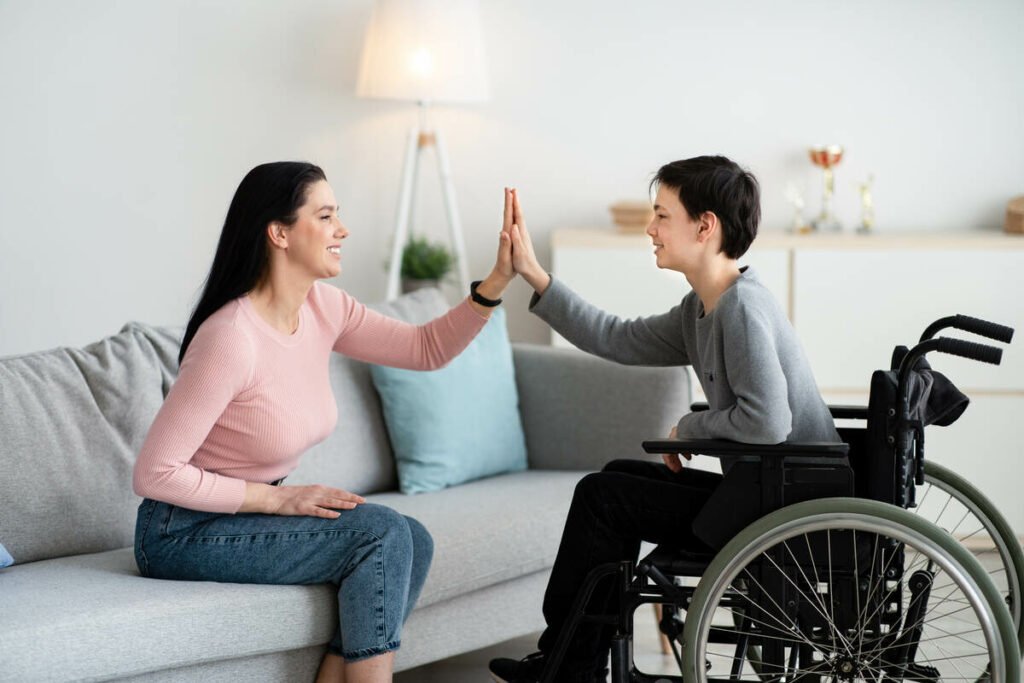
Fortunately, there are many strategies to promote effective communication and tear down these barriers. The key is to find the right mix of support services, accommodations, and tools that work for you. By focusing on clarity and building life skills, participants can gain more control over their interactions.
From specialized therapies to practical changes in how services are delivered, these strategies can empower you to express yourself with confidence. Let’s explore the role of professional support and the best practices that organizations can adopt to create a more inclusive environment for everyone.
Speech pathology plays a critical role in helping NDIS participants overcome communication difficulties. A speech pathologist can assess a person’s unique needs and develop tailored strategies to help them express themselves. This might involve exercises to improve speech or the introduction of augmentative and alternative communication (AAC) tools like communication boards.
For individuals with a neurological condition or developmental disorder, this support is invaluable. However, speech pathology is often most effective as part of a multidisciplinary support team. When speech pathologists collaborate with occupational therapists, psychologists, and support workers, they can create a holistic plan that addresses all aspects of a person’s life.
This team approach ensures that communication strategies are integrated seamlessly into daily routines. By working together, professionals can help participants build confidence, foster independence, and achieve their personal goals in a supportive and consistent environment.
Creating truly inclusive services requires a commitment from the entire organization. It starts with establishing best practices that place clear communication and accessibility at the forefront. This means training support workers not just on tasks, but on how to listen, adapt, and build trust with participants.
A key organizational practice is providing a range of accommodations to meet diverse needs. This includes offering translation and interpreting services to support individuals from culturally and linguistically diverse backgrounds, ensuring language is not a barrier to receiving quality care.
Here are some best practices for organizations:
In conclusion, addressing communication barriers within the NDIS is crucial for fostering an inclusive environment for all participants. By understanding the challenges faced and implementing effective strategies, we can create a system where everyone has access to necessary services without hindrance. The role of multidisciplinary support and best practices from organizations cannot be overstated in this effort. Together, we can pave the way for better engagement and understanding, ensuring that no one is left behind due to communication constraints. If you have more questions or need assistance, feel free to get in touch.
https://www.ndis.gov.au/applying-access-ndis
https://www.ndis.gov.au/participants/working-providers/find-registered-provider
https://www.ndis.gov.au/participants/changing-your-plan/preparing-your-plan-reassessment
Copyright © 2026 Assist Support Services | All Rights Reserved | Website proudly designed by Sassy Marketing and Communications