
24/7 Support
- Assistance with Daily Living
- Social and Community Access
- Transportation
- Respite / STA
- Home and Household Help

The National Disability Insurance Scheme (NDIS) helps people live better lives by putting focus on community participation. Social interaction and making sure everyone feels included are at the heart of what they do. This is important because it helps build good connections between people. When you join in with the community, it gives you a sense that you belong, and this can make your quality of life better. Being part of these groups is good for emotional health. It gives people a chance to learn new skills and grow as a person. This kind of support from the NDIS helps to make both people and the whole community stronger.
Taking part in community activities gives people many benefits. It can help to make your quality of life better. When you join group activities, you get more social interaction. This can help you not feel so lonely. You make new friends and build strong connections, and that makes your emotional well-being better. When you be part of a group, you feel like you are supported and that you matter in your community.
Also, your mental health and physical health can get better. Doing recreational activities and regular exercise is good for your endurance and your mobility. These things help lower your health risks. You also feel better emotionally because you gain confidence in yourself and find new things you like to do. All the support you get here helps you to be more independent. It lets you grow in many ways for a long time.
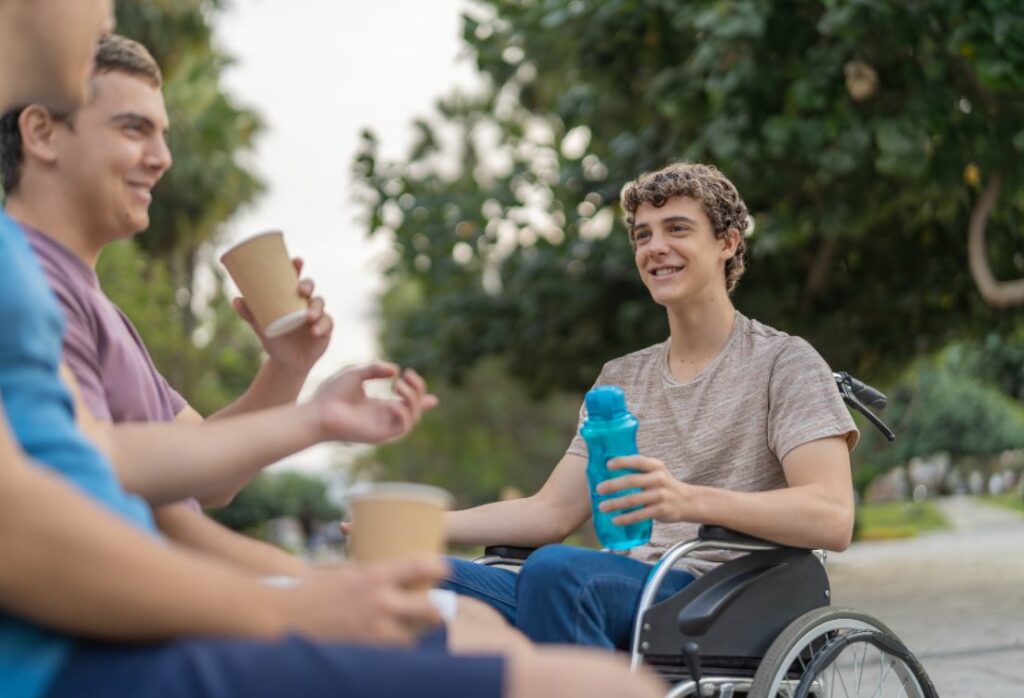
Feelings of loneliness and isolation often be there for people with disabilities. Because of this, social interaction is very important for their overall well-being. Getting involved in community activities helps people make strong bonds. This can really help lower these negative feelings. When people talk to others often, they build friendships and a support system. This network helps fight off the effects of feeling alone.
The power of joining in with others should not be ignored. Taking part in group programs or local events is a good way to include everyone. It helps people feel that they belong there. These social times help them stay strong when life gets hard. They feel better about facing daily problems because they know they are not alone.
Also, these chances are great for teaching others about being different and including everyone. When people with disabilities join in and share what they have gone through, they help break down wrong ideas or old thoughts others might have. This teamwork makes life better for them and changes the world around them in a positive way. Their actions help people understand and accept one another more, making the community greater for all.
Confidence is very important for personal growth, and taking part in community activities gives NDIS participants more belief in themselves. When they show their talents and get praise from others, they see what they can do, and this helps them feel better about who they are. With this new confidence, they can start to hope for more and work towards bigger dreams.
Independence is also a big goal. Support workers create special plans around individual needs. They can help with daily jobs or help someone learn to make choices. As time goes on, the person learns what they need to look after their own needs. This means they can do more on their own.
At the same time, learning life skills is a big part of taking part in these things. Through good and clear programs, people can work on teamwork, talking with others, and finding ways to solve problems. Skills like these help in everyday life, and they can also help someone get a job or take part in advocacy. The goal of these programs is to help everyone grow well in all parts of life and take more control of their path to becoming more independent.
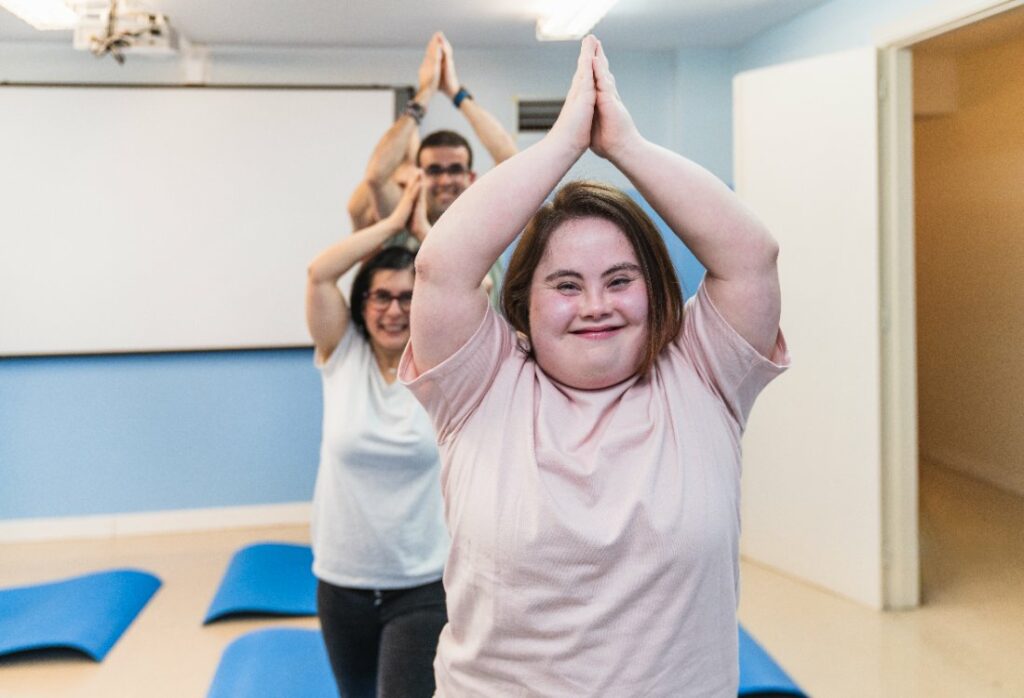
Community participation activities supported by the NDIS help people with disabilities in many ways. These activities help you build new social connections, feel more confident, and learn important life skills. When you take part in this, you feel like you belong. You also learn how to be more independent. These programs can help stop you from feeling alone and help you grow in your own way. They are good for mental well-being and help you have better and real interactions with other people in the community. If you want to know more about community participation or need help with NDIS, reach out to us. Together, we can make a way for a better and more empowered life.
The NDIS gives help to people so they can join different community activities. These can include social gatherings, classes to learn new skills, exercise programs for physical health, and fun events. Support workers try to shape these activities so they fit the individual needs of each person. The idea is to help everyone get involved, use their skills, and enjoy doing things together in a group.
Community activities help people become more independent. They give a boost to things like mobility, confidence, and teamwork. When people join in, they start to build life skills that are important for daily tasks. These programs also help people learn how to handle social situations. By taking part, they become better at taking care of themselves and feel ready to face life on their own.
Yes, the NDIS has programs made for people of different ages and skills. Support workers plan activities that fit what each person needs. These group activities help everyone feel included. The programs focus on better quality of life and skill growth for all in the group.
Families and carers help make community participation better. They do this by asking for programs that fit people’s needs. They also work with support workers. They get people to join in and take part. This is an important role because they help build a strong group where people feel that everyone matters and can grow. Their help makes it good for all of us.
To add community participation to an NDIS plan, start by looking at what individual needs the person has. Talk about these needs at plan reviews to make sure everything is included. Support workers can help by giving advocacy and making sure that everyone gets to join in. When you add community activities to the plan, you help the person take part. This can also help them build new skills and feel better overall.
Copyright © 2026 Assist Support Services | All Rights Reserved | Website proudly designed by Sassy Marketing and Communications