
24/7 Support
- Assistance with Daily Living
- Social and Community Access
- Transportation
- Respite / STA
- Home and Household Help


Navigating your child’s development can bring up many questions, and it’s natural to seek answers when you have concerns. The NDIS provides a dedicated pathway for young children called the Early Childhood Approach. This framework is designed to provide timely early intervention and connect your family with the right support services. Understanding how this system works is the first step toward getting your child the help they need to thrive and reach their full potential.

The NDIS early childhood approach is a framework specifically designed to support children younger than nine years of age who have a disability or developmental concerns. This approach focuses on providing early intervention as soon as a need is identified to achieve the best possible outcomes for your child.
It centers on understanding your child’s needs and providing access to tailored support services that build their skills and independence. The goal is to guide your family and ensure your child can participate meaningfully in everyday life. The following sections will explain the aims of this approach and who is eligible.
A developmental delay means a child finds it more difficult to do everyday tasks like walking, talking, or dressing compared to their peers. The NDIS early childhood approach addresses this by focusing on early identification and providing support as soon as possible.
The core aim is to give your child the best possible start in life. By addressing their unique support needs early, the approach helps maximize their developmental potential and promotes their participation in the community. This proactive support can make a significant difference in a child’s development journey.
This intervention is most effective when it is family-centered and respects your values. It should focus on including your child in their community and be delivered in familiar places. The support should also reflect your family’s goals, with strategies that you can practice daily.
The NDIS early childhood intervention approach supports children from birth up to nine years of age. Specifically, it assists children under six with a developmental delay and children under nine who have a disability. This ensures support is available during the most crucial stages of development.
Once a child turns nine, their support system may change. If they require ongoing assistance, they often transition from an early childhood partner to a local area coordinator within the main NDIS scheme. This shift helps them continue to receive support as they get older and move through primary school.
Meeting the eligibility requirements is the first step. The approach is designed for children with developmental concerns, a diagnosed developmental delay, or a disability that is likely to be permanent and significant. Your family’s journey begins by identifying if your child fits these criteria.
Wondering if your child qualifies for support can feel overwhelming. The NDIS has clear eligibility requirements to determine if your child can receive help through the early childhood approach. NDIS eligibility for early intervention depends on your child’s age and the nature of their developmental challenges.
The application process is designed to be supportive. You will work with professionals to gather information and complete the necessary steps. This ensures your family is connected to the right support services, whether through a formal NDIS plan or other community resources. The next sections will detail how to determine eligibility and what documents you’ll need.
Knowing if your child is eligible starts with you. If you have developmental concerns, it’s important to speak up. The process begins by discussing your observations with a professional who knows your child, like a doctor, child health nurse, or early childhood educator.
You may have noticed challenges in specific areas of your child’s life. Common concerns that may indicate a need for screening or assessment include how your child:
An Early Childhood Partner will use this information, along with professional reports and assessment tools, to see if your child meets the eligibility requirements. A key point to remember is that children under six do not need a formal diagnosis to access support.
As part of the application process, you will need to provide evidence about your child’s development. This often includes reports and assessments from health professionals such as a pediatrician, occupational therapist, or speech therapist. Your child health nurse can also provide valuable information.
All this documentation is submitted with an Access Request Form to the National Disability Insurance Agency (NDIA). Your Early Childhood Partner can help you gather the right reports and complete the form correctly, making the process less stressful.
Different disabilities require specific types of evidence to meet the standards for NDIS support. While a formal diagnosis is helpful, functional assessments often provide the most important information about how your child’s condition impacts their everyday life.
Disability Type | Professionals Who Can Provide Evidence | Example Assessments/Evidence |
Developmental Delay | Paediatrician, Psychologist, Occupational Therapist, Speech Therapist | Vineland Adaptive Behavior Scale (Vineland-II), PEDI-CAT (under 16) |
Autism | Specialist multi-disciplinary team, Paediatrician, Psychologist | Diagnostic and Statistical Manual of Mental Disorders (DSM-V), PEDI-CAT (under 16) |
Hearing Impairment | Audiologist | Hearing acuity score, PEDI-CAT (under 16) |
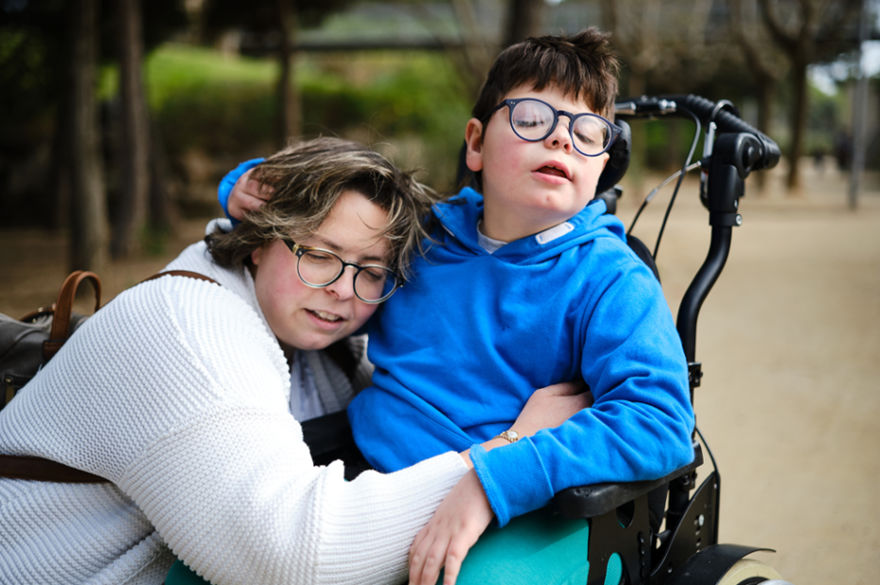
Once your child is eligible, you gain access to a wide range of NDIS supports. These support services are not a one-size-fits-all solution; instead, they are tailored to your child’s individual goals and needs to ensure the early intervention support is as effective as possible.
The early childhood intervention supports are designed to be holistic, covering everything from therapy to community participation. Below, we’ll explore the specific types of support provided to families and how different resources are integrated to create a comprehensive plan for your child.
The early intervention services available are designed to build skills and confidence for both your child and your family. Many of these supports fall under the category of capacity building supports, which aim to increase your child’s independence and your ability to support them.
Even if your child doesn’t become an NDIS participant, you can access support through “Early Connections.” An Early Childhood Partner will connect you with:
These family support services empower you with the knowledge and connections needed to help your child thrive. They ensure no family is left without guidance, regardless of NDIS eligibility.
A strong early intervention plan brings together multiple types of support. It is not just about therapy appointments; it is about creating a holistic network that supports your child in all areas of life.
Service providers work with you to integrate different services seamlessly. This can include coordinating therapy like speech or occupational therapy, providing educational supports for early learning environments like preschool, and finding ways for your child to join community activities. The goal is to build skills in real-world settings.
For health professionals, the NDIS provides Best Practice Guidelines that outline how to deliver effective, family-centered care. Early Childhood Partners use their clinical expertise to guide these professionals, ensuring that all service providers are aligned with your child’s goals. This collaborative approach helps create a consistent and supportive experience for your family.
Your local early childhood partner is your main point of contact on this journey. These local organizations are funded by the NDIS to deliver the early childhood approach and are staffed by an early childhood approach team with professionals who have strong clinical expertise.
This team includes occupational therapists, speech pathologists, and early childhood educators. By connecting you with trusted professionals and coordinating care, they create a safe, transparent network of support around your child. This helps prevent vulnerability by ensuring your child receives high-quality, professional services. Let’s look closer at how they guide families.
An early childhood partner acts as your guide through the entire NDIS process. Their primary role is to listen to your concerns, help you understand your child’s needs, and connect you with the right supports. They are there to answer your questions and reduce any confusion you might feel.
They help guide families by recommending services, assisting with the NDIS application if it’s needed, and helping you connect with providers in your community. A key part of their job is to coordinate care, making sure that all the professionals involved in your child’s life are working together toward the same goals.
Furthermore, these partners focus on practical, real-world solutions. They provide advice on how to incorporate learning and skill-building into your everyday routines, empowering you to support your child’s development at home and in the community. As children grow, this role may transition to a local area coordinator for those over nine.
In conclusion, understanding the NDIS Early Intervention program is crucial for parents and caregivers navigating the landscape of support for children with developmental delays. By familiarizing yourself with eligibility criteria, available services, and the roles of health professionals, you can effectively advocate for your child’s needs and ensure they receive the best possible care. Remember, early intervention can significantly impact a child’s development, providing them with the necessary tools to thrive. If you have questions or need assistance, feel free to get in touch. Your child’s journey towards a brighter future starts here.
https://www.ndis.gov.au/understanding/how-ndis-works/psychosocial-disability
https://www.ndis.gov.au/how-apply-ndis/what-access-request-form
https://www.ndis.gov.au/contact/locations
https://www.ndis.gov.au/contact
https://www.ndis.gov.au/understanding/how-ndis-works/help-children-under-7
Copyright © 2026 Assist Support Services | All Rights Reserved | Website proudly designed by Sassy Marketing and Communications