
24/7 Support
- Assistance with Daily Living
- Social and Community Access
- Transportation
- Respite / STA
- Home and Household Help

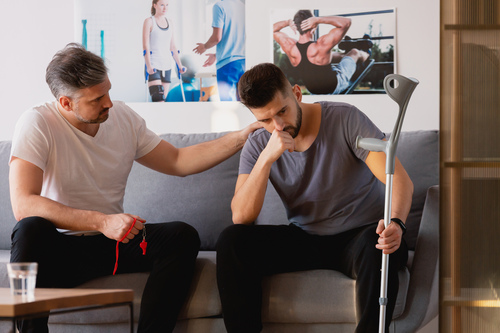
Psychosocial support under the NDIS is designed to help individuals living with mental health conditions improve their independence, daily functioning, and overall quality of life. It focuses on building capacity, developing routines, and strengthening emotional and social wellbeing through structured support.
Unlike clinical treatment, NDIS psychosocial support is practical and recovery-oriented. It helps participants manage everyday challenges while working toward long-term goals through consistent and personalised assistance.
Psychosocial support refers to non-clinical assistance that addresses both psychological and social needs. This includes helping individuals build confidence, maintain relationships, and participate in community life.
Through mental health and disability support in Melbourne, participants receive tailored services that align with their NDIS plans. These supports are flexible and designed to adapt as needs change over time.
NDIS psychosocial support covers a wide range of services aimed at improving independence and wellbeing. These supports are typically delivered by trained support workers and recovery coaches.
Many participants also benefit from structured programs like psychosocial recovery coach training, which focuses on goal setting and long-term recovery planning.
Psychosocial support is available to individuals whose mental health condition significantly impacts their ability to perform daily activities. Eligibility is determined through the NDIS assessment process.
Participants must demonstrate that their condition is ongoing and affects their social or functional capacity. Once approved, supports are included in their NDIS plan and tailored to their individual needs.
Recovery coaches play a key role in delivering psychosocial support. They work closely with participants to build resilience, set goals, and navigate the NDIS system.
Through structured guidance, recovery coaches help individuals gain more control over their lives. Services such as NDIS psychosocial services in Melbourne ensure participants receive consistent and coordinated care.
Psychosocial support is focused on practical outcomes that improve everyday living. This includes developing routines, increasing independence, and enhancing social connections.
With the right support, individuals can build confidence, reduce isolation, and actively participate in their community. Over time, this leads to greater stability and improved overall wellbeing.
Living with a mental health condition can impact many areas of life. Psychosocial support provides the structure and guidance needed to manage these challenges effectively.
By focusing on both emotional and practical needs, participants are empowered to achieve their goals and maintain long-term independence. This holistic approach is central to the success of NDIS support services.
Psychosocial support under the NDIS helps individuals with mental health conditions improve their daily functioning, independence, and social participation. It focuses on practical, non-clinical support tailored to individual needs.
Clinical treatment focuses on diagnosis and medical care, while psychosocial support focuses on everyday living, routines, and social engagement. Both can work together to support overall wellbeing.
Individuals with a diagnosed mental health condition that significantly affects their daily life may be eligible. Access is determined through the NDIS planning and assessment process.
A recovery coach helps participants set goals, build capacity, and navigate their NDIS plan. They provide guidance and support to promote long-term recovery and independence.
Services typically cover daily living support, social participation, emotional wellbeing, and community engagement. Support is tailored based on individual goals and NDIS plans.
Copyright © 2026 Assist Support Services | All Rights Reserved | Website proudly designed by Sassy Marketing and Communications